STEMMA
Systems of Transmitting Early Modern Manuscript Verse, 1475-1700
College of Arts, Social Sciences & Celtic Studies School of English and Creative Arts
College of Arts, Social Sciences & Celtic Studies School of English and Creative Arts
Don’t let the quiet on the STEMMA blog fool you: it’s been very busy around here!
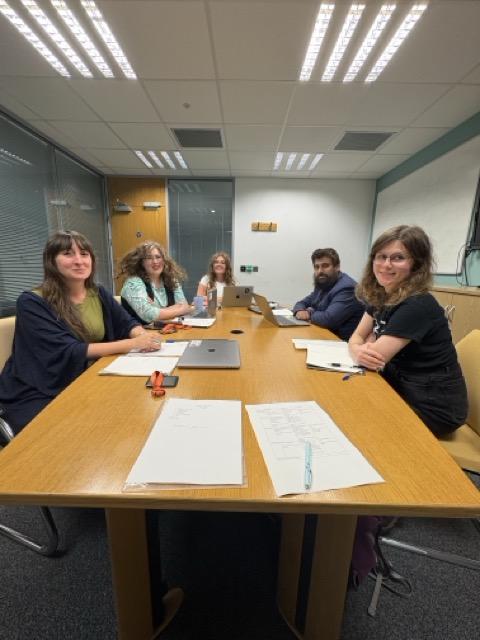
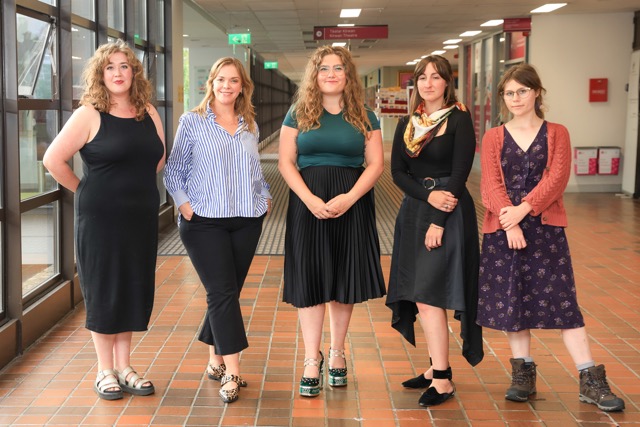
In January, we welcomed two new postdoctoral researchers to work on Work Package 2: Dr Meghan Kern and Dr Leah Veronese. The timing meant that they were thrown straight into the deep end of data cleaning, but with happy (I think) results. First, Leah presented about a fascinating manuscript she stumbled upon in our dataset at the British and Irish Spenser Seminar in May, though I will leave it to her to share her findings. Second, we have finally (!!) finished cleaning the data, which means that we are ready to move on to analysis and archival work.
Thanks to the work of all of postdoctoral researchers (past and present), we now plan to release the first publicly accessible version of the STEMMA dataset by the end of 2026. The data will be accessible both through an interactive web application and as a download from our Zenodo community. Watch this space and our social media for updates.
Dr Caitlin Burge conducted two weeks of intensive archival work in the northeastern US. Her trip coincided with intensely cold weather, foiling her plans to run the Rocky steps. She will be presenting a paper based on this work at the upcoming European Association for Digital Humanities conference at Jagiellonian University, Kraków, Poland.
At the beginning of July, we were joined by another postdoctoral researcher, Dr Muhammad Sohaib Ayub. A data scientist, Sohaib will take the lead on Work Package 3, “Early Modern Literary Communities in the English-Speaking World.” He has begun the macro-level analysis of the STEMMA dataset, and the preliminary results are very exciting.
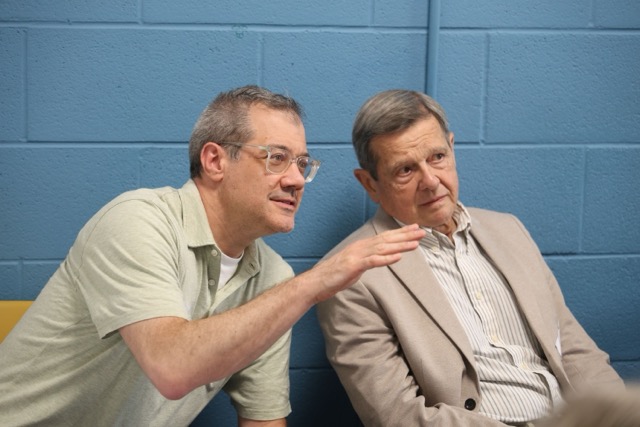
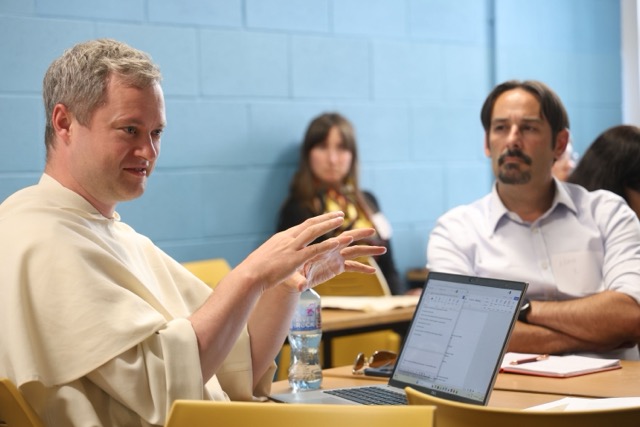
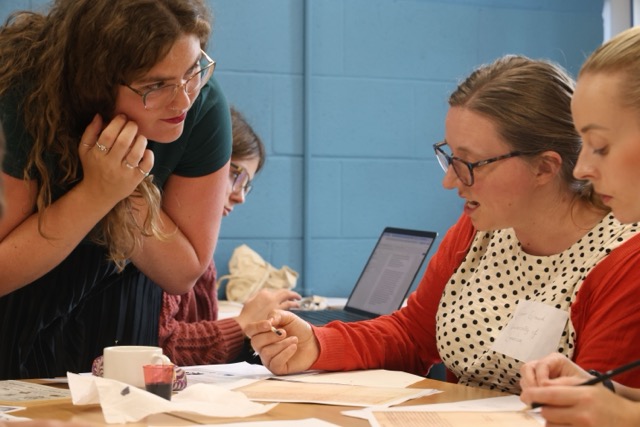
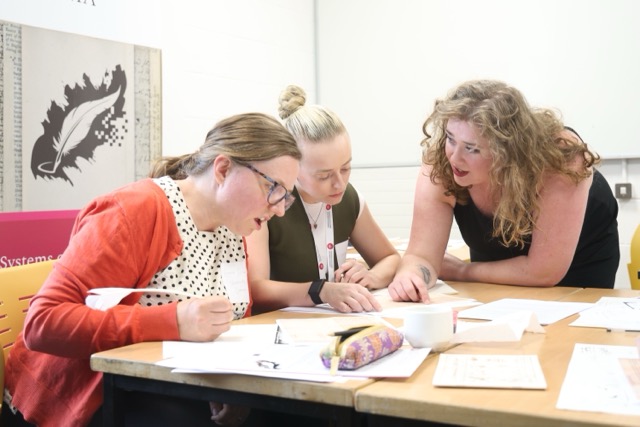
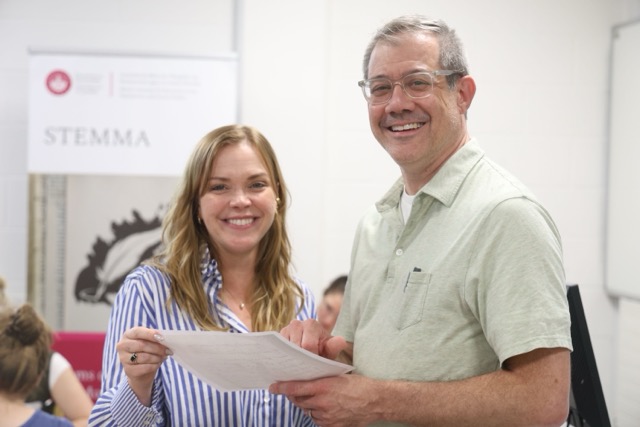
In late July, we hosted the first University of Galway “Manuscripts Week,” an event that we hope we will be able to repeat. Thanks to support from the College of Arts, Social Sciences and Celtic Studies, we were able to host Professor Joshua Eckhardt, Professor Steven May, and Dr Jessica Edmondes of the Rare and Unique Poems project.
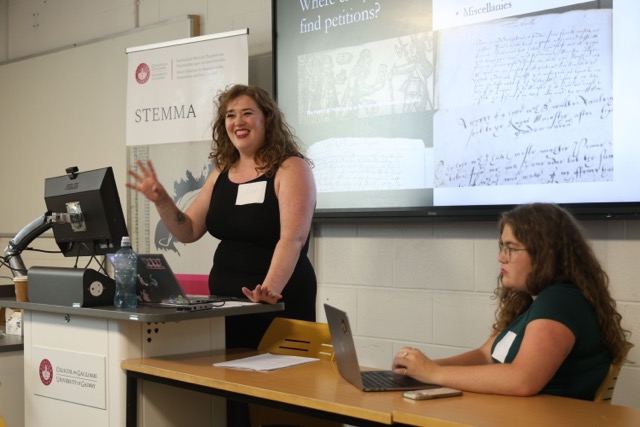
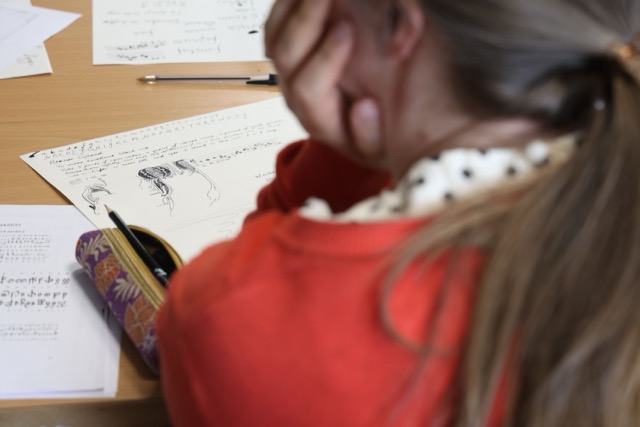
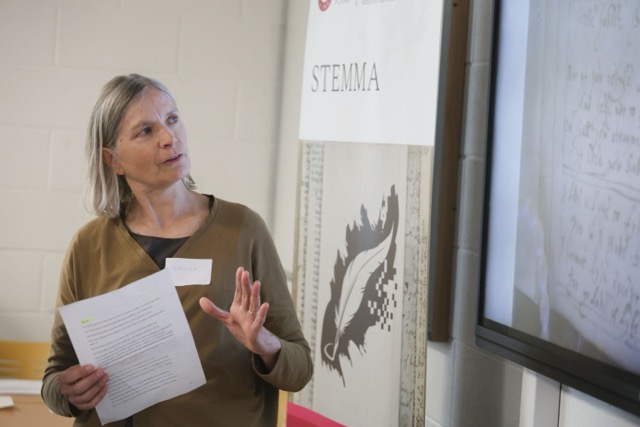
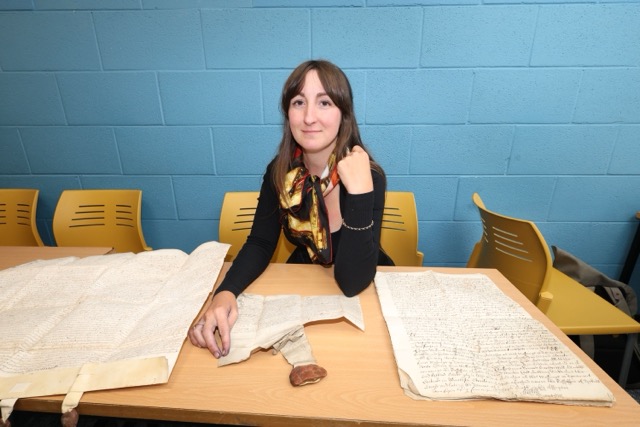
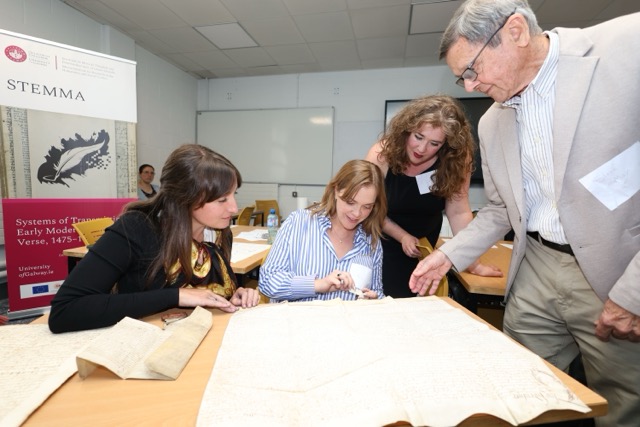
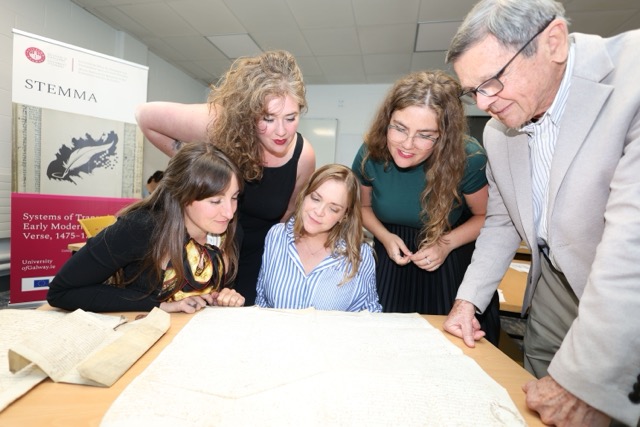
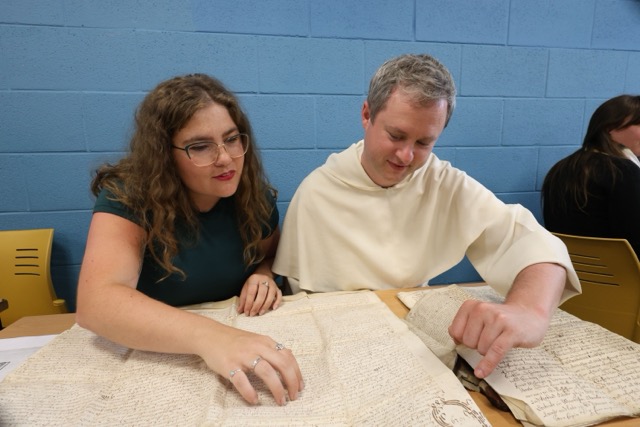
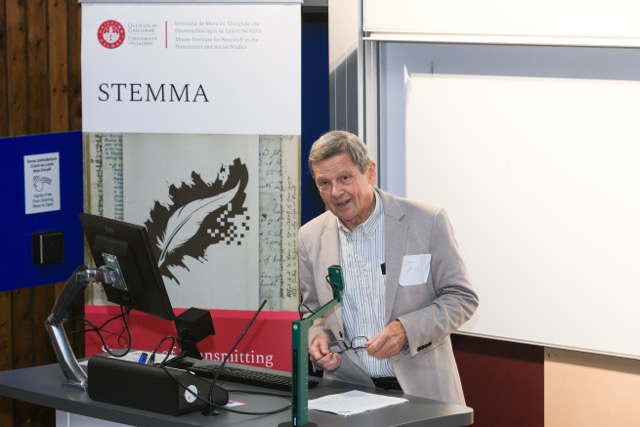
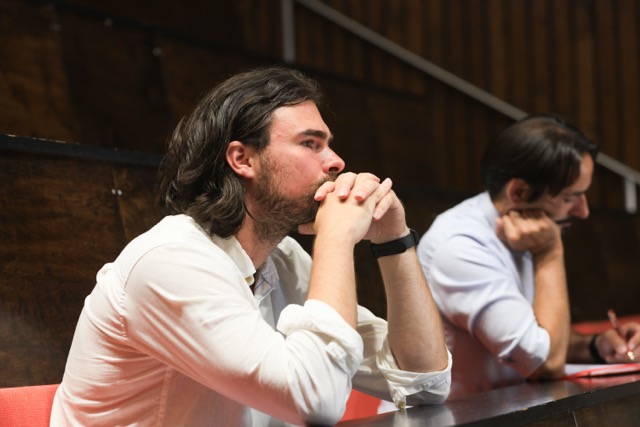
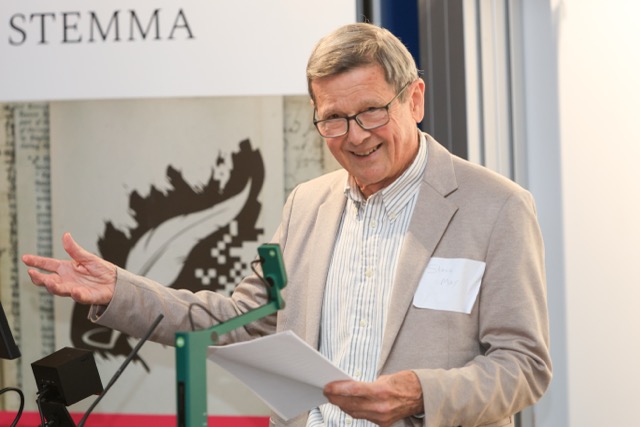
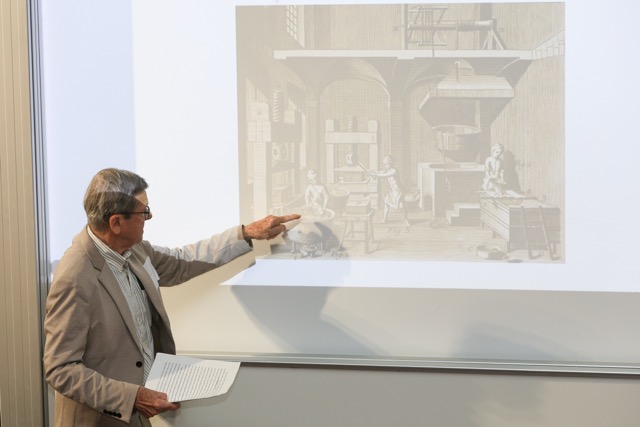
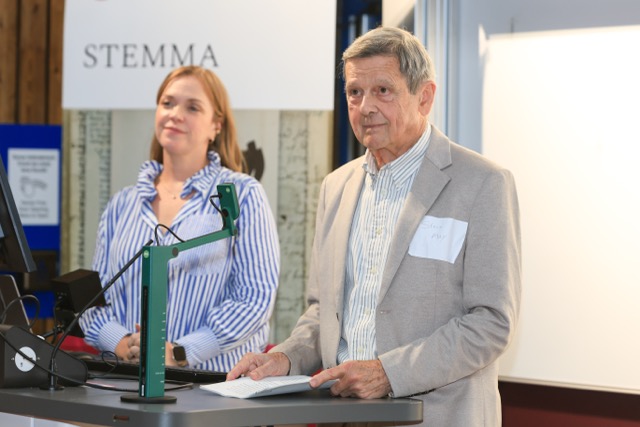
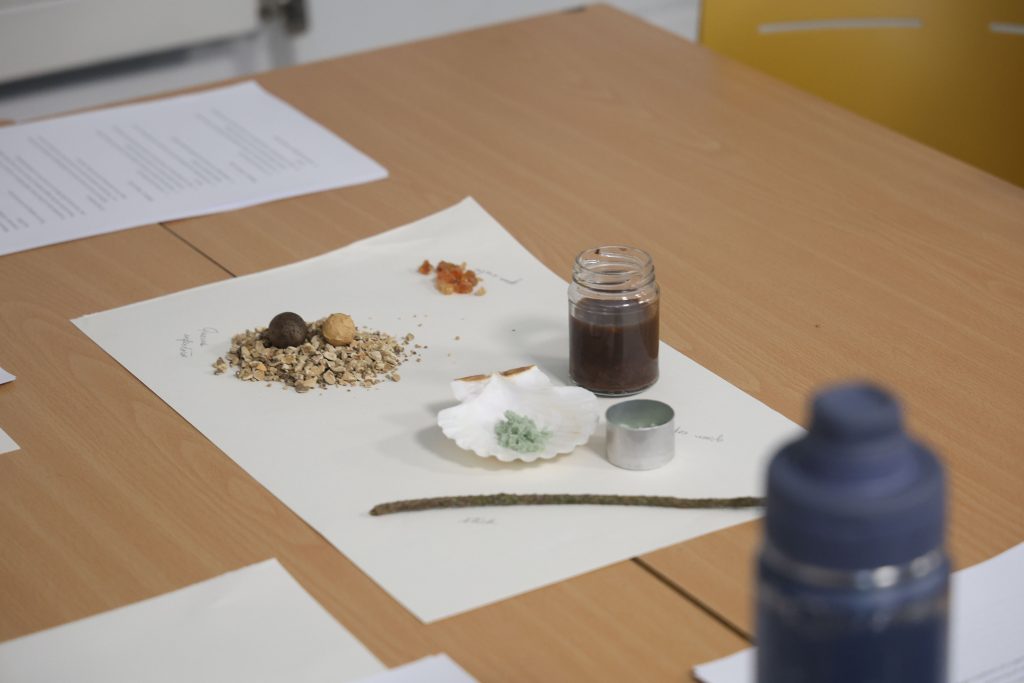
The week began with demonstrations and discussions of possible collaborations between the two teams. On Thursday, we hosted visitors from all over Ireland and the UK for training events. Meghan demonstrated historical processes for making ink and quill pens, giving participants the opportunity to try to create early modern letterforms with appropriate materials. Most of us struggled and there were inevitable spills and smudges, but there were also some impressive results! Meghan also brought us actual seventeenth-century documents, including an indenture and another document with its seal still intact. In the afternoon, Caitlin, Leah, and Jessica led a palaeography workshop focused on state papers, petitions (legal and mock), and, of course, verse miscellanies. Thursday concluded with a public lecture by Professor May about the wide-reaching cultural impact of affordable writing paper, with additional overseas participants joining us via Zoom. The event concluded with an enlightening mini-symposium and an international transcribathon led by Professor Eckhardt. We even got a brief virtual visit from Dr Heather Wolfe’s “The Handwriting & Culture of Early Modern English Manuscripts” class at Rare Book School in Charlottesville, VA! You can see more photos of the event in the gallery below.
As autumn approaches, we are beginning to think about where the next academic year might bring us. Now that the data is ready for analysis, you can expect to see us at conferences and libraries a bit more regularly. We’ll also be reviving the STEMMA blog! Thanks for following, and stay in touch. We’ll look forward to sharing more soon.