
STEMMA
Systems of Transmitting Early Modern Manuscript Verse, 1475-1700
College of Arts, Social Sciences & Celtic Studies School of English and Creative Arts
College of Arts, Social Sciences & Celtic Studies School of English and Creative Arts
“Forged literature is, moreover, a realm of the fantastic, in which stories lie embedded within other stories, works unfold within other works; in which fictions, dreams, and ghosts perpetually interfere with the order of things; in which time is forever unravelling backwards into a dark abysm in the fruitless search for origins; and of course in which, most fundamentally, uncanny doubles, copies, and counterfeits will stalk, shadow, and worry their supposed originals.”
– Nick Groom, The Forger’s Shadow: How Forgery Changed the Course of Literature, (Picador, 2002), p.3
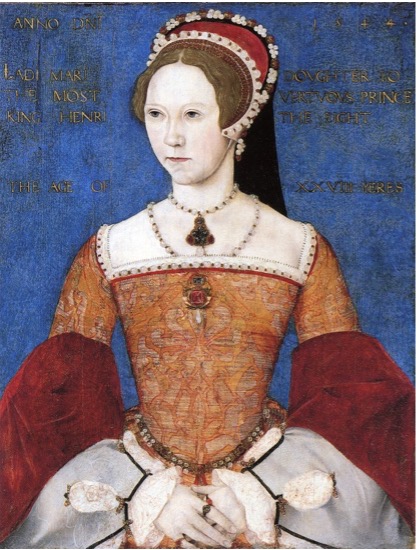
In 1534, court playwright and poet John Heywood wrote a poem for the Princess Mary for her 18th birthday, who was on the outs with her father, Henry VIII. The laudatory poem expressed the princess’ beauty and charms, to which none could compare – a pretty decent birthday present, all things considered. The poem was published in Tottel’s miscellany in 1557, but exists now in only a handful of manuscript copies, all of which differ slightly from one another: a 28-line version in Add. MS. 15225, British Library (c. early 1600s); a 52-line version in LT Q 9 in the Brotherton Collection, Leeds University (c. 1640-1650); and an 84-line version in Harley MS 1703, British Library (c. 1581).
Add. MS. 15225 most closely resembles the version of the poem published in Tottel’s miscellany, though (likely in order to allow the poem to appear on one page altogether) each pair of lines are run together, creating four-line AABB rhyming scheme verses, rather than eight-line ABABCDCD verses, and resulting in only 28 lines rather than Tottel’s 56. LT Q 9 is missing one verse in comparison to Add. MS. 15225 – ‘In life she is Diana chast / in troth Penelope / in word & eike in deede stidfast / what will you more we say’ – whereas Harley MS. 1703 adds an additional three verses, one prefatory and two concluding, highlighted below. Middle verses also tend to appear in a different order in each instance, mixing things up a bit.
There are also smaller variations between copies. Take the second line / final couplet of the first verse for example: ‘for heere at hand approacheth one: whose face will staine ye all’ (Add. MS. 15225); ‘For whye, behoulde, there cometh one / whose face, yours all, blanke shall’ (Harley MS 1703); ‘for here at hand apeeareth one / in beaty principall’ (LT Q 9). The words are fairly different: but the meaning and the general structure are the same, and certainly close enough on the whole to be considered as variations or instances of the same poem.
Add. MS. 15225, British Library
f. 32v
Giue place yea ladies & be gone: boast not your selues at all
for heere at hand approacheth one: whose face will staine ye all
The vertue of her liuelie lookes: excells the precious stone
I wish to haue non other bookes: to read or look vpon
In each of her two Christall eies: smyleth a naked boy
it would you all in hart suffise: to see that lambe of ioy
I thinke nature hath lose the mould: where she her shape did take
or elles I doubt if nature could: soo fair a creature make
She may be verie well compard: vnto the Phoenix kind
Whose like was never seene or heard: that any man can find
In life she is Diana chast: in troth Penelope
in word & eike in deede stidfast: what will you more we say
If all the world were sought soo far: whoe could find such a wight
her bewtie twinkleth like a starre: within a froastie night
her roseall couller comes & goes: with such a comelie grace
more ruddier to then doth the rose: within her liulie face
At Bacchus feastes non shall her meete: ne at noe wanton play
nor gazinge in an open streete: not gaddinge as a stray
The modest mirth that she doth vse: is mixt with shamfastness
all vice she doth wholly refuse: and hateth Idlenesse
O Lord it is a world to see: how vertue can repaire
And decke her selfe with honestie: whome nature made soo faire
Trulie she doth soo far exceede: our women now adaies
as doth the gilliflower the weede: & more a thousand waies
How might I doo to get a graffe: of that unspoted tree
for all the rest are plaine but chaffe: which seeme good corne to be
This gift alone I shall her giue: when death doth what he can
her honest fame shall ever liue: within the mouth of man
LT Q 9, Leeds University
f. 65r
Give place ye ladyes & bee gone
Bost not ye selves at all
for here at hand apeeareth one
in beaty principall
The vertue of her looks
excelles ye precious stone
I wish none other bookes
To reade or looke vpon
In each of her eyes
smiles a naked boye
yt would ye all suffice
To see yt lamp of Joye
I think nature hath lost ye mould
Where hee her form did take
Or eles I doubt it nature cold
so fair a Creature make
Shee may bee wel compared
Vnto ye Phoenix kind
Whose like hath not been hear
yt any man could find
If al ye world were sought afar
who could find such a wight
Her beauty twincles like a starr
within ye frosty night
Her collur comes & goes
with suche a comly grace
more ruddy then ye rose
within her lifely face
At Bacckes feast none shal her meet
nor at no wanton play
nor gasing in ye open street
nor wandring as a stray
The mirth yt shee doe vse
is mixt with shamfastnesse
All vice shee doe refuse
& hateth Idleness
It is a world to see
How vertue can repaire
And deck such honesty
In her yt is so faire
Shee doth as for exceed
Our women now adays
As doth a flowre a weed
& more a 1000 ways
How might I do to get a graffe
of this vnspotted tree
For all ye rest is plaine but chaffe
yt seemes good corne to bee
This gift I shal her geve
Let death do what hee cann
Her honest fame shall doe live
within ye mouth of man
Harley MS 1703, British Library
f. 108r – 109r
A discription of a most noble Ladye,
advewed by John Heywoode presently
who aduertisinge her graces, as face,
Saith of her thus, in much eloquent phrase,
Geue place, ye Ladyes all bee gone,
shewe not your selues att all,
For whye, behoulde, there cometh one
whose face, yours all, blanke shall,
The vertue of her lookes,
excelles the precious ston
yee neede none other bookes
to reade, or look vpon
In each of her twoe iyes,
ther smiles a naked boye,
It woulde you all suffice
too see those lampes of ioye
If all the worlde were sought full farre,
who coulde finde such a wyght
Her beutye twinkleth like a starre,
within the frostye night
Her couler comes and gose,
with such a goodly grace
More ruddye then the rose
Within her lively face,
Amonges her youthfull yeares,
shee tryumpthes over age,
And year shee still appeares,
boath wyttye, grand, and sage,
I thinke nature, hath lost her moulde,
wher shee her forme dyd take,
or ells I doubt yt nature coulde,
so faire a creature make,
Shee maye bee well comparde,
vnto the Phenix kinde,
Whose like hath not byn harde,
that anye nowe can finde,
In Lyfe a Dyane chaste,
in truth Penelopeye,
In worde and deede steedfaste
what neede I more to seye
At Baccus feast: none may her meete,
or yeat at anye wanton playe,
Nor gasinge in the open streete,
or wandringe, as a straye,
The mirth that shee doth vse,
is mixt with shamfastnesse,
All vyces shee eschues,
and hateth Idelnes
Yt is a worlde to see,
how vertue can repaire,
And decke such honestee,
in her that is so faire,
Great sute to vyce, maye some allure,
that thinkes to make no fawlte,
Wee see a sorte hadde neede bee sure
which manye doth assaulte
They seeke an endlesse waye,
that thinkes to wynne her love,
As well they maye assaye,
the stoney rocke to moue.
For shee is none of those,
that settes not bye evill fame,
Shee will not lightly lose,
her truth and honest name,
How might wee doo to haue a graffe,
of this vnspotted tree,
For all the rest they are but chaffe,
in prayse of her to bee
Shee doth as farre exceade,
these women now a dayes,
As doth the flowre, the weede,
and more, a thousande wayes
This prayse I shall her geeue,
When death doth what hee can,
Her honest name shall liue,
within the mouth of man
This worthye ladye too bee wraye
a kinges daughter was shee,
of whom John Heywoode lyste to saye,
in such worthye degree
And Marye was her name weete yee,
with these graces Indude,
At eightene yeares, so flourisht shee,
so doth his means conclude.
There are obvious differences between the instances but they’re clearly the same poem. The plot thickens however, where The Catalogue of English Literary Manuscripts, 1475-1700 (CELM) identifies a fourth instance in V.a.339 – the ‘Joseph Hall’ miscellany – in the Folger Shakespeare Library (c. 1650). CELM links this copy to the other Heywood instances, but notes in its introduction to John Heywood that ‘Give Place You Ladies’ – as well as another Heywood poem, ‘What heart can think or tongue express’ – are actually forgeries, entred into the manuscript by infamous forger J. P. Collier. Though perhaps best known for his work with (or pretending to be) Shakespeare, as Giles E. Dawson has shown, Collier also took time to fill the blank spaces orginally left in V.a.339 in a simulated early modern hand, adding an extra eighty-three poems at least two centuries after it was originally compiled.1 But the instance of ‘Give Place You Ladies’ in V.a.339 isn’t just a forgery of Heywood – it’s not a Heywood at all. Though the poem is also titled ‘Give Place You Ladies’, the similiarities end there, and runs entirely differently:
V.a.339, Folger Shakespeare Library
f. 109r-v
Giue place you Ladyes all
vnto my mistresse faire
For none of you or great or small
Can with my loue compare
If you wold knoew her well
You shall her nowe beholde
If any tonge at all may tell
Her beautie manyfolde
She is not high ne lowe
But iust the perfect hight
Below my head aboue my hart
And thou a wand more straight
She is not full ne sparre
But iust as she sholde bee
An armfull for a god I sweare
And more she loueth mee
Her shape hath noe defect
Or none that I can finde
Such as in deede you might expect
From soo well formed a minde
Her skin not blacke ne white
But of a louelie hew
As if created for delight
Yet is she mortall too
Her haire is not to darke
No more I weene to light
It is what it sholde be and marke
It pleaseth me outright
Her eies nor greene nor gray
Not like the heauens aboue
And more of them what needes I say
But that they looke and loue
Her foote not short no longe
And what may more surprise
Though some perchance may thinke noe wrong
Tis iust the fittinge size
Her hande yea then her hande
With fingers large or fine
It is enough you vnderstande
I like it and tis mine
In briefe I am content
To take her as she is
And holde that she by heauen was sent
To make complete my blisse
Then ladies all giue place
Vnto my mistresse faire
For now you knowe soo well her grace
You needes must all dispaire
The instances of the Heywood poem might have differences: but clearly this is a totally different poem! Even Collier himself notices this: not content to forge entries, he also forged records in The Registers of the Stationers Company to back up his forgeries. In his entry on the V.a.339 poem in his edition of the Registers, Collier notes that “The title of this ballad has occurred already, p. 38, but it is not at all unlikely that this is the entry of a new ballad, which, like the other, commences with the words “Give place, you ladies,” and has been handed down to us in the Editor’s MS. of a considerably later date.”2 Referencing both the actual Heywood poem and the one written in V.a.339, Collier explicitly highlights that the poem is completely different. This isn’t just a different poem, however: as Dawson argues, many of these poems were actually written by Collier himself, in the style of an Elizabethan poet. This version of ‘Give Place You Ladies’ is an entirely different kind of forgery then, though it doesn’t stop Collier from noting that the poem “runs thus pleasantly, and by no means unpoetically” before printing the whole thing – a hardly subtle attempt to draw praise for his own poetic efforts.
Just as interestingly, Collier closes this entry by pointing readers to another sixteenth-century poem, ‘Give Place, ye lovers,’ by Henry Howard, Earl of Surrey, another poet at the court of Henry VIII. Like Heywood’s ‘Give Place You Ladies’, Howard’s ‘Give Place, ye lovers,’ examines the ways in which the speaker’s lady is beyond comparison. Though this was a well used poetic trope throughout early modern writing, clearly Collier saw himself – at least in this moment – in conversation with other early Henrician poets rather than the later poets whose work runs through the rest of the miscellany. By pointing to both the Heywood and the Howard poems as separate entities while introducing the ‘other’ ‘Give Place You Ladies’, Collier makes clear that his ‘discovery’ is a poem in its own right, but also explicitly situates this ‘new’ poem in amongst these other poets and their dedicatory poems. Collier obviously drew on Heywood and Howard’s versions as inspiration for his own poetic version of the trope, and its fascinating that he then took the effort to make those connections clear to other readers of early modern miscellanies.
It remains unclear why CELM thinks that Collier’s ‘Give Place You Ladies’ is an instance of Heywood’s poem of the same name, despite Collier’s own assertion that the poem is an entirely new entry. Like most of the contents of the miscellany, there is no author attribution for this poem in V.a.339, so perhaps the title alone and a similar genre and poetic message were enough to assign it to Heywood. This is just a guess: but in any case, it has made for a great forgery rabbit hole!