
STEMMA
Systems of Transmitting Early Modern Manuscript Verse, 1475-1700
College of Arts, Social Sciences & Celtic Studies School of English and Creative Arts
College of Arts, Social Sciences & Celtic Studies School of English and Creative Arts
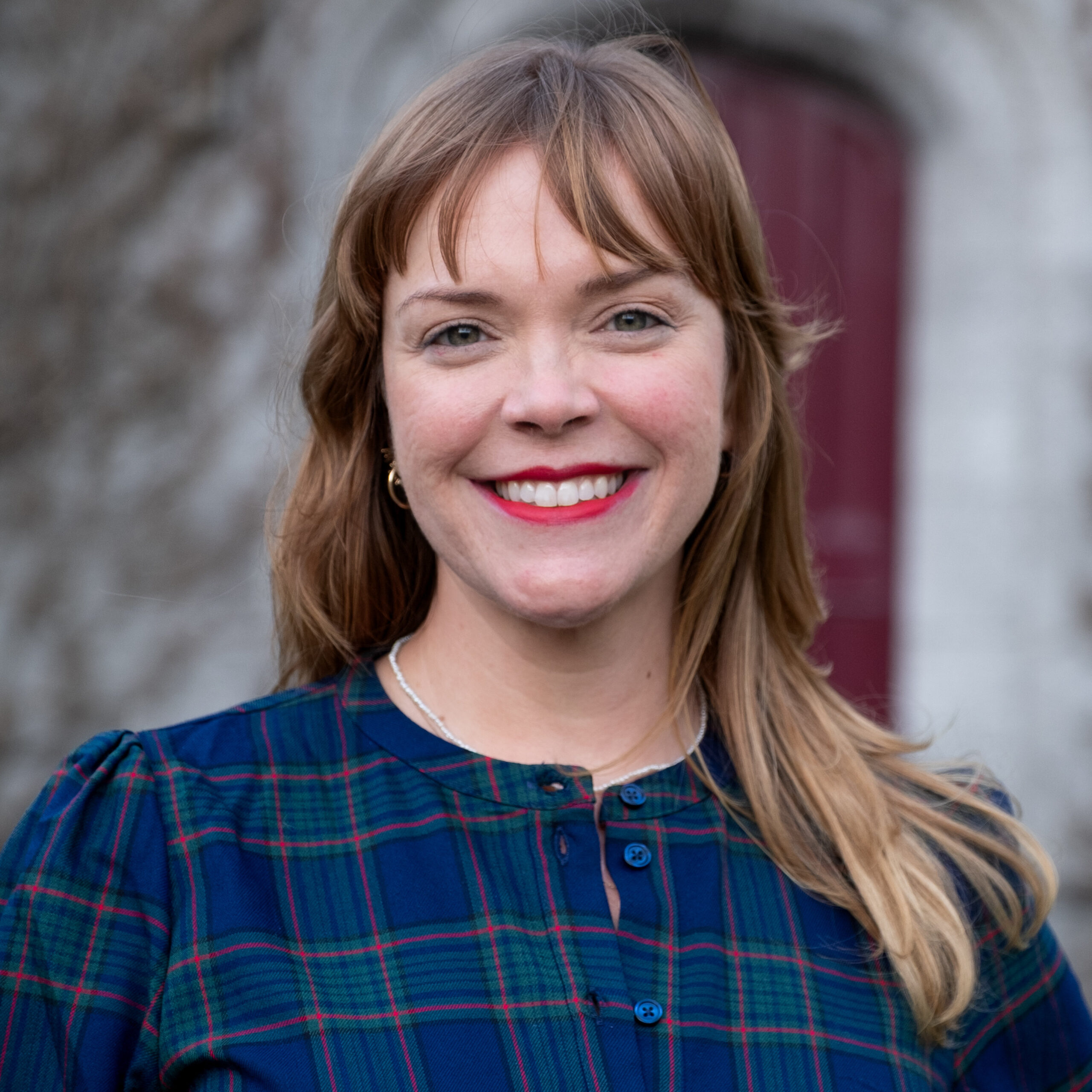
Professor Erin A. McCarthy is Established Professor of English Literature and Computational Humanities and the Principal Investigator of the Irish Research Council- and European Research Council-funded project “STEMMA: Systems of Transmitting Early Modern Manuscript Verse, 1475–1700” at the University of Galway. She is the author of Doubtful Readers: Print, Poetry, and the Reading Public (Oxford University Press, 2020), and she is currently completing a second monograph, “The Reception and Circulation of Early Modern Women’s Writing in Manuscript Miscellanies, 1550–1700,” with Marie-Louise Coolahan and Sajed Chowdhury. Her scholarship has also appeared in the John Donne Journal, SEL: Studies in English Literature 1500–1900, the Review of English Studies, and Criticism.
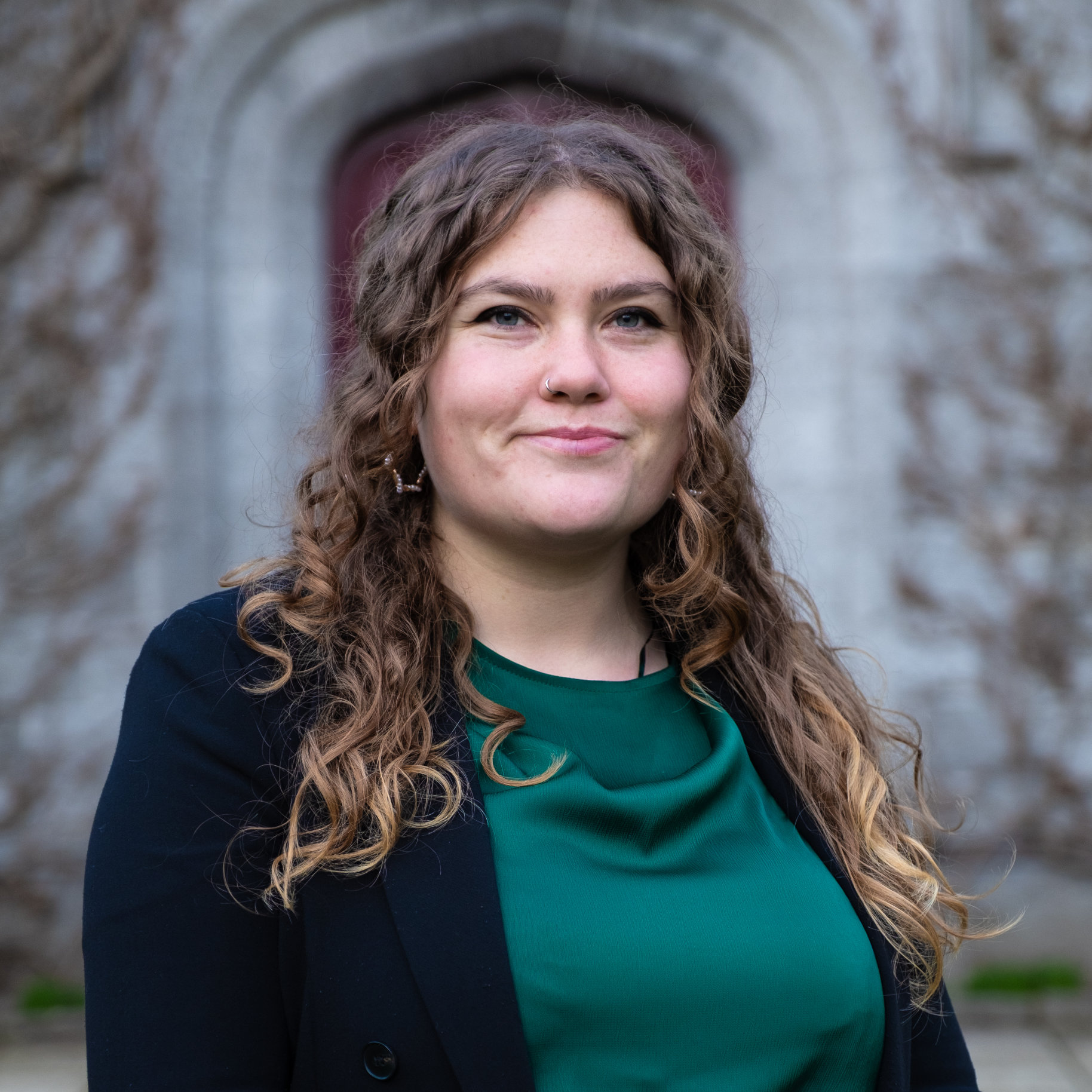
Dr Caitlin Burge (she/her) is a Postdoctoral Researcher with the ERC-project ‘STEMMA: Systems of Transmitting Early Modern Manuscript Verse, 1475-1700’, at the University of Galway, using quantitative and computational approaches to identify instances of ‘rolling archetypes’ and their evolution. Having completed her AHRC-funded PhD at Queen Mary, University of London in 2022, she is currently working on her first monograph using network analysis to consider the career of Thomas Cromwell and epistolary networks at the Tudor court, as well as a digital edition of Privy Council registers from the reign of Henry VIII. Online. Recent articles can be found in Huntington Library Quarterly, Journal of Historical Network Research, and International Journal of Humanities and Arts Computing.
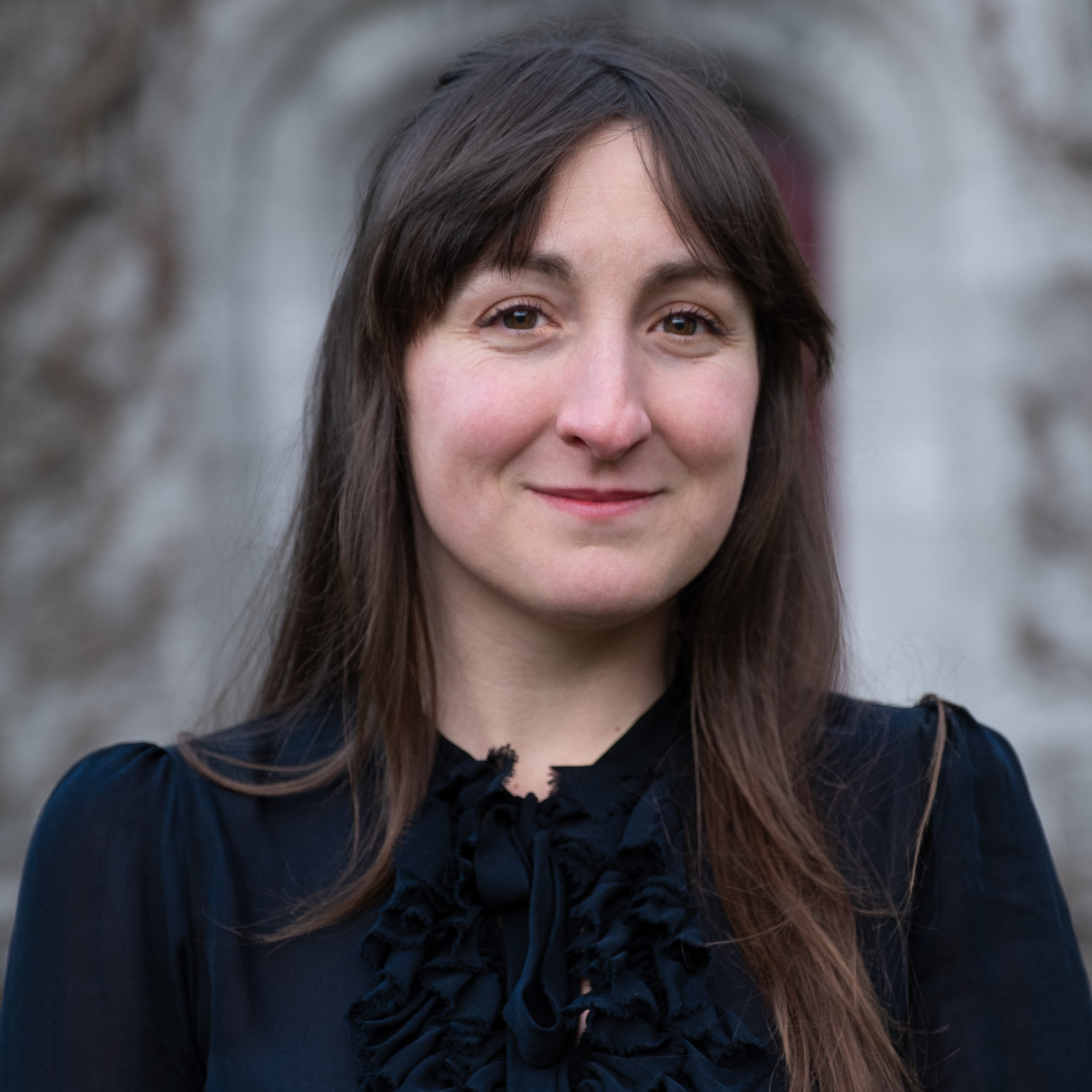
Dr Meghan Kern is a Postdoctoral Researcher at the University of Galway, working on ‘STEMMA: Systems of Transmitting Early Modern Manuscript Verse, 1475-1700’. She completed her doctorate in English Literature at Lincoln College, University of Oxford, in 2025 with support from The Polonsky Foundation. She is currently working on her first monograph, adapting bibliographical and provenance research, alongside principles of textual editing, to trace the manuscript transmission of funerary verses written by John Donne and others for Lucy, Countess of Bedford. Other works-in-progress include contributions to The Oxford Handbook of Medieval and Early Modern Miscellanies and British Virginia.
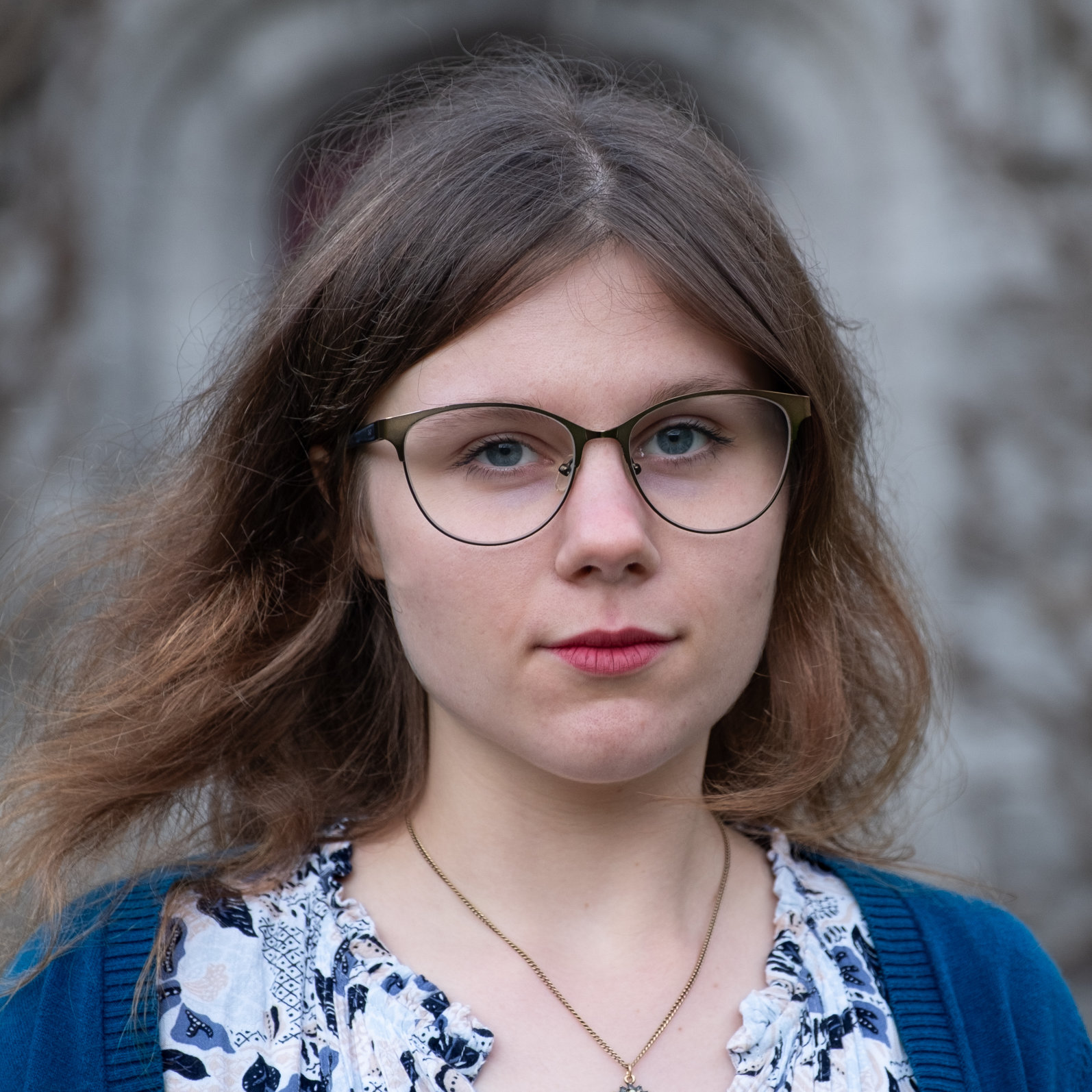
Millie Randall is a PhD student in English at the University of Galway. Her research interests are the transmission of texts in manuscript and printed miscellanies, changing collection and compilation practices in the early modern period and early readers’ responses to poetry and comedy. She is particularly interested in how compilation practices shaped readers’ aesthetic preferences and the reception of literary texts in the period. She has a BA in English from King’s College London and has just completed an MA in Early Modern English Literature: Text and Transmission, taught in collaboration between King’s College London and the British Library.

Dr Leah Veronese (she/her) is a Postdoctoral Researcher on the ERC-project ‘STEMMA: Systems of Transmitting Early Modern Manuscript Verse, 1475-1700’, at the University of Galway. She completed her AHRC-funded DPhil Suing for Grace: the Early Modern Rhetoric of Petition at Balliol College, Oxford in 2022 which she is now developing into her first monograph. In the early modern period, petitions could be prayers addressed to God or letters addressed to a secular power. Suing for Grace argues that early modern writers could use comparisons between these two forms of petition to voice political criticism. She has collaborated with Dr Daniel Starza Smith on the first literary study of the epistolary writer Elizabeth Bourne (1549–1599). Her recent work on a manuscript copy of Shakespeare’s Sonnet 116 offered new evidence about the political repurposing of Shakespeare during the Civil War. She has published in The Review of English Studies, The Oxford Handbook of Early Modern Women’s Writing in English 1540-1700 and The Palgrave Encyclopaedia of Early Modern Women’s Writing.
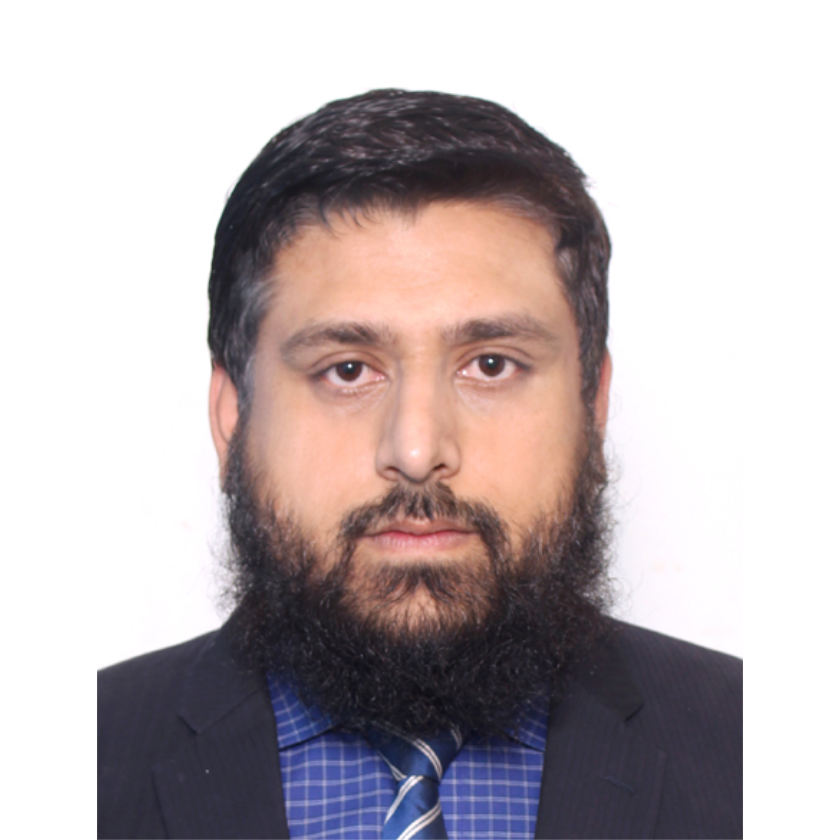
Dr Muhammad Sohaib Ayub is a Postdoctoral Researcher on the ERC-project ‘STEMMA: Systems of Transmitting Early Modern Manuscript Verse, 1475-1700’, at the University of Galway. He completed his PhD in Computer Science at Lahore University of Management Sciences, where his research centred on data-driven approaches to complex systems and applied machine learning. His work draws on data analytics, machine learning, and natural language processing, and he has applied these methods across sports data, wireless sensor networks, Arabic OCR, legal case prediction, web accessibility, and data spaces. On STEMMA, he will be working on the data and network side of the project, helping to structure the manuscript data and visualise how texts moved across different communities in the early modern period.